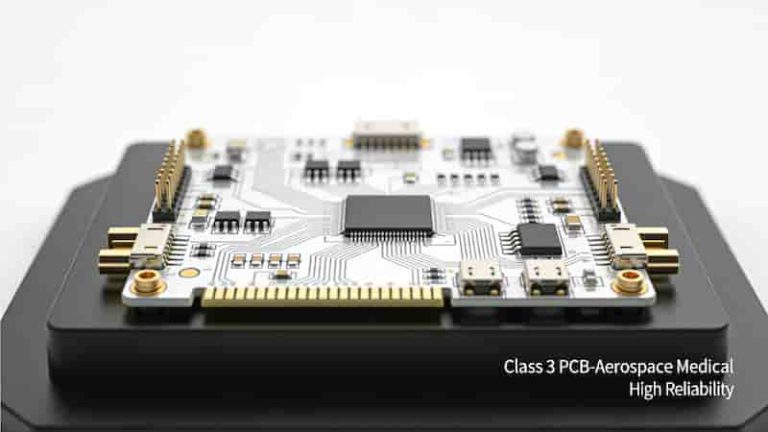
Why PCB Prototyping Is Essential for Reliable Mass Production
PCB prototyping is a vital step in electronics manufacturing, ensuring reliable mass production by validating circuit designs, minimizing defects, and optimizing costs. From multilayer to single-sided boards, prototyping enhances quality and efficiency. Explore the key benefits and best practices for selecting a trusted PCB prototype manufacturer.
Introduction
Printed Circuit Boards (PCBs) are the backbone of modern electronics, powering everything from smartphones to medical devices. Before full-scale production, PCB prototyping serves as a critical step to ensure quality, performance, and reliability.
Why is PCB prototyping essential? It validates circuit designs, identifies risks early, and optimizes for cost-effective mass production. Catching errors upfront saves time, cuts costs, and ensures compliance with global industry standards.
Validate Circuit Design and Manufacturability
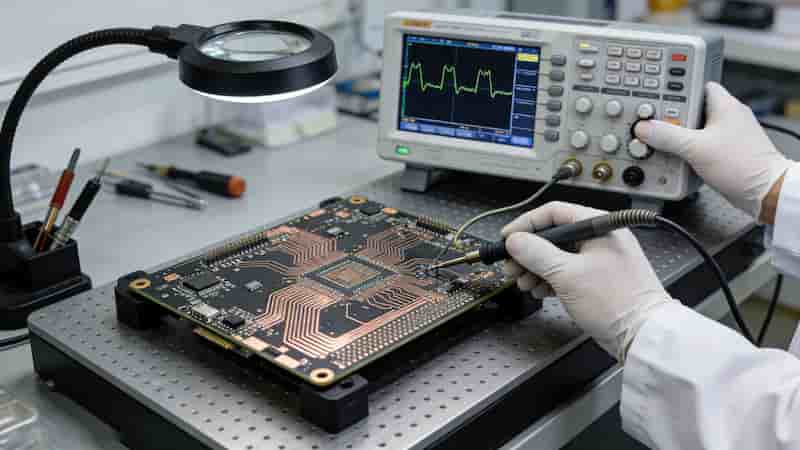
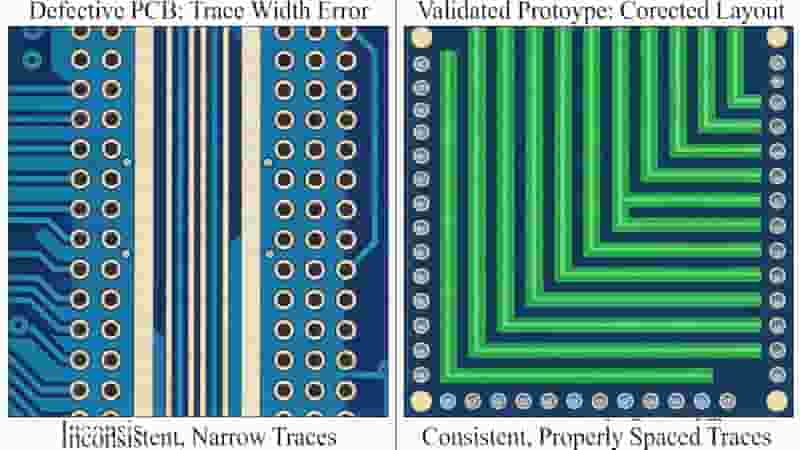
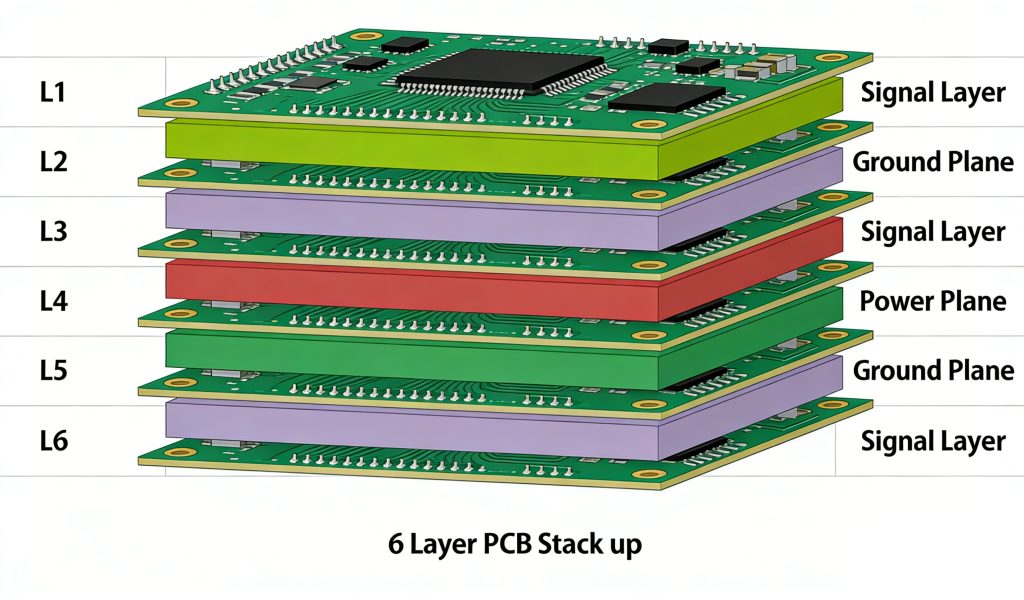
PCB prototyping is indispensable for testing complex designs, including 8-layer, 10-layer, and 12-layer high-end boards. Design flaws such as incorrect trace widths, impedance mismatches, or thermal risks can lead to expensive failures.
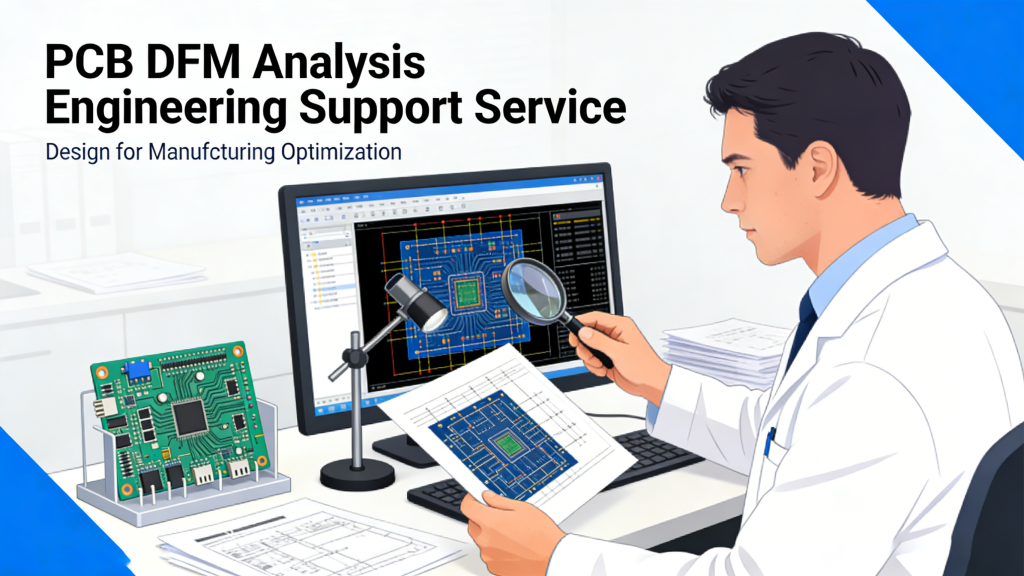
Prototyping enables signal integrity analysis, thermal profiling, and DFM (Design for Manufacturability) checks. Early corrections prevent short circuits, signal interference, and assembly failures, protecting large-scale production investments.
Reducing Defect Rates in Mass Production
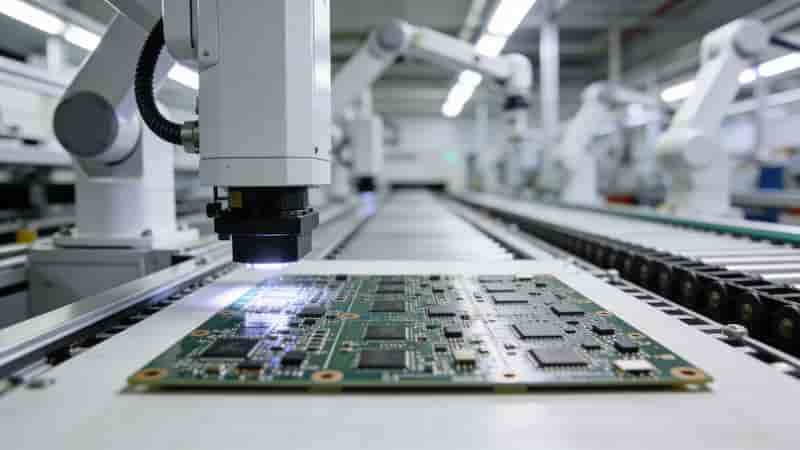
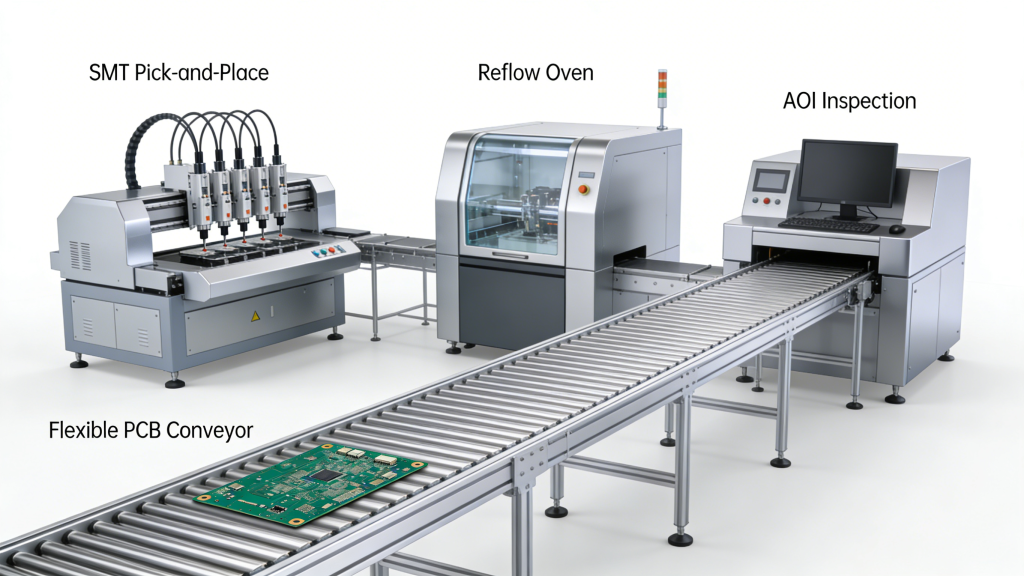
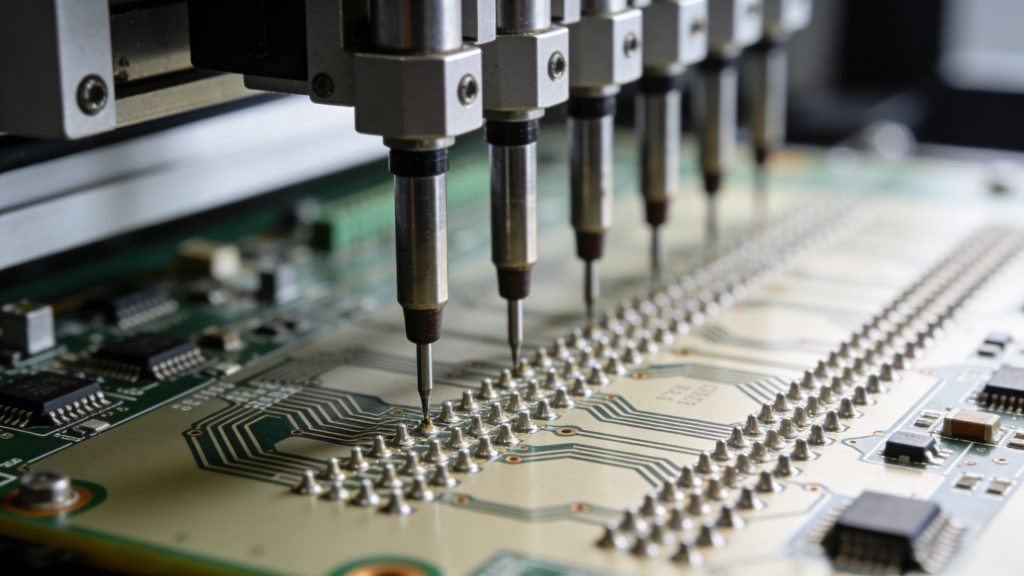
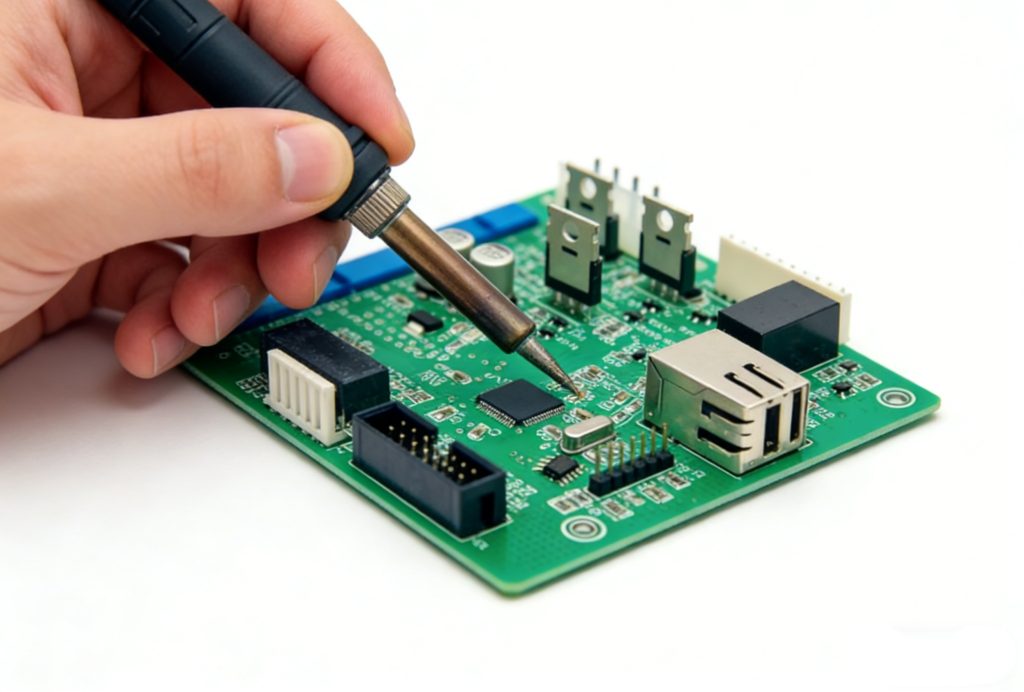
Mass production involves etching, drilling, soldering, and SMT assembly. Even small defects lead to high scrap rates and delays. PCB prototyping identifies risks before full runs, lowering defect rates by 30–50%.
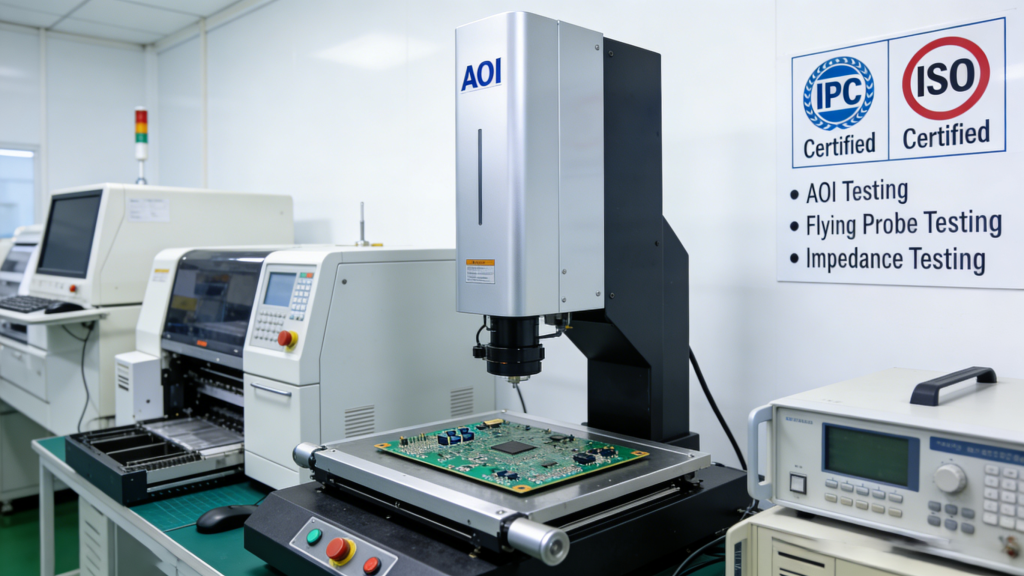
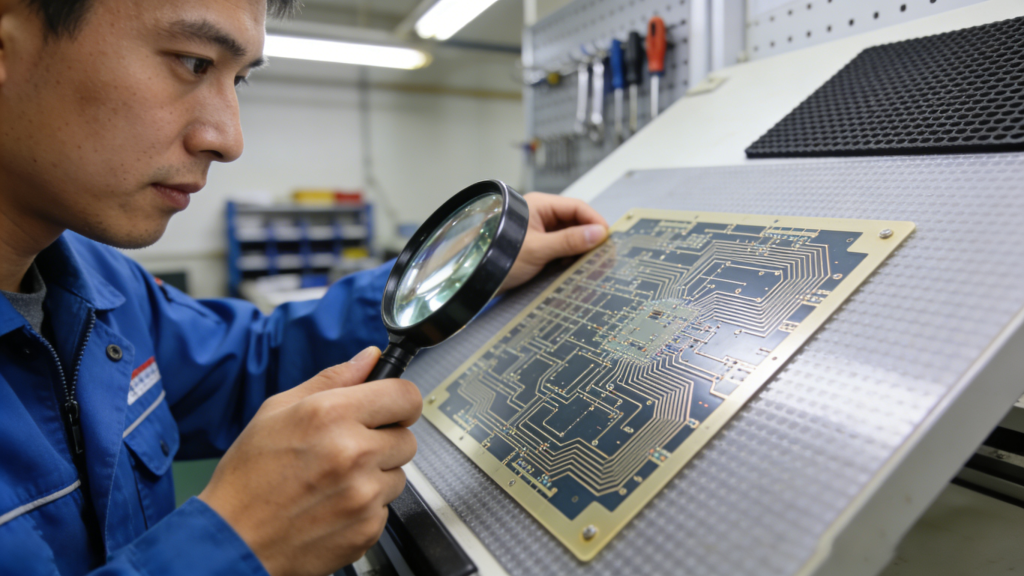
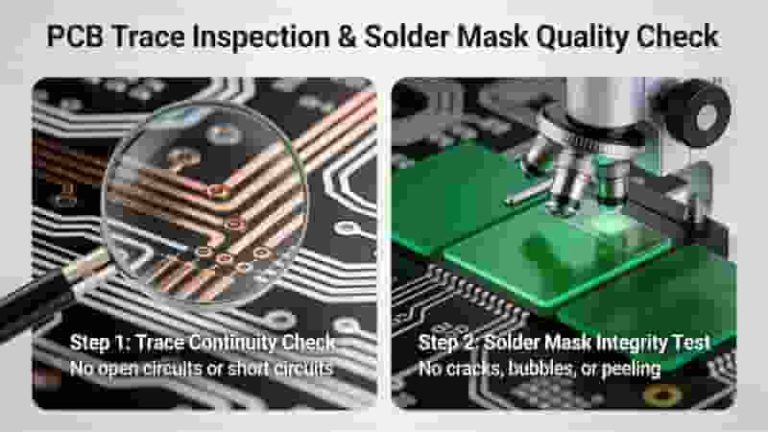
Key tests include AOI (Automated Optical Inspection), ICT (In-Circuit Testing), and functional verification. These steps catch soldering flaws, via misalignment, and connectivity issues before they impact production.
Assessing PCB Manufacturer Process Capability
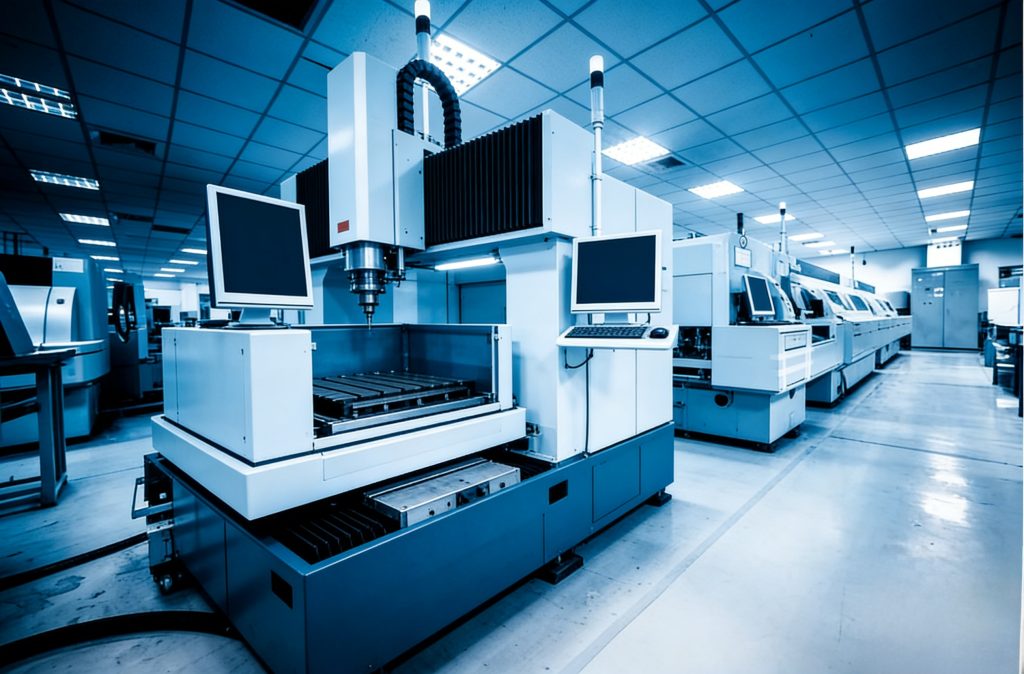
PCB prototyping allows you to evaluate a manufacturer’s technical capacity before committing to large orders. This is critical for HDI boards, high-frequency materials, microvia drilling, and controlled impedance requirements.
Check certifications such as ISO 9001 and IPC Class 2/3, precision equipment, layer alignment, plating quality, and turnaround speed. Prototyping reveals real-world quality and reliability that datasheets cannot fully show.
Laying the Foundation for Mass Production
PCB prototyping streamlines mass production by verifying material performance, thermal stability, and functional durability in real operating conditions.
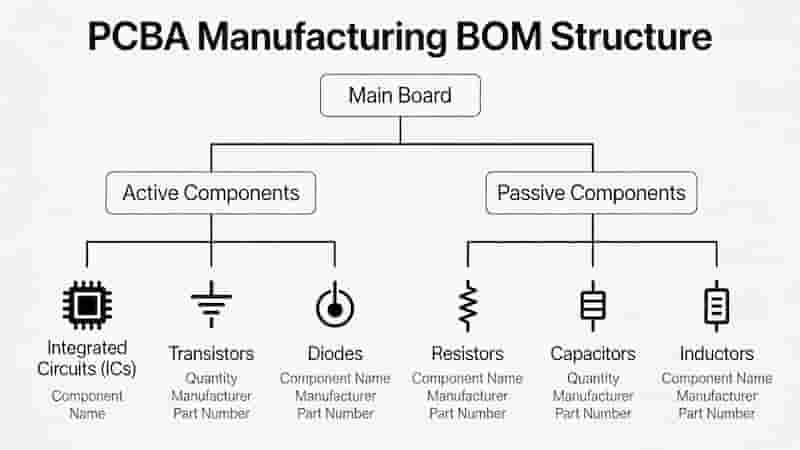
It also supports cost optimization: adjusting layer stackups, selecting cost-effective laminates, and refining BOM without sacrificing performance. Many projects reduce material costs by up to 40% through prototype optimization.
Choosing the Right PCB Prototype Manufacturer
A reliable partner ensures your PCB prototyping leads to stable mass production. Focus on these criteria:
Technical expertise for multilayer, HDI, and high-frequency PCBs
Fast turnaround: 3–7 days for rapid prototypes
ISO 9001, IPC Class 2/3 certified quality systems
Responsive engineering support and DFM feedback
Consistent quality from prototype to full mass production
Evaluation Item
Ideal Standard
Prototype Lead Time
3–7 days
Quality Certifications
ISO 9001, IPC Class 2/3
Layer Support
1–20+ layers, HDI capable
DFM Service
Free, detailed, professional
Conclusion: The Critical Role of PCB Prototyping
PCB prototyping is irreplaceable for moving from design to stable, high-yield mass production. It validates designs, reduces defects, verifies manufacturer capability, optimizes costs, and lowers business risks.
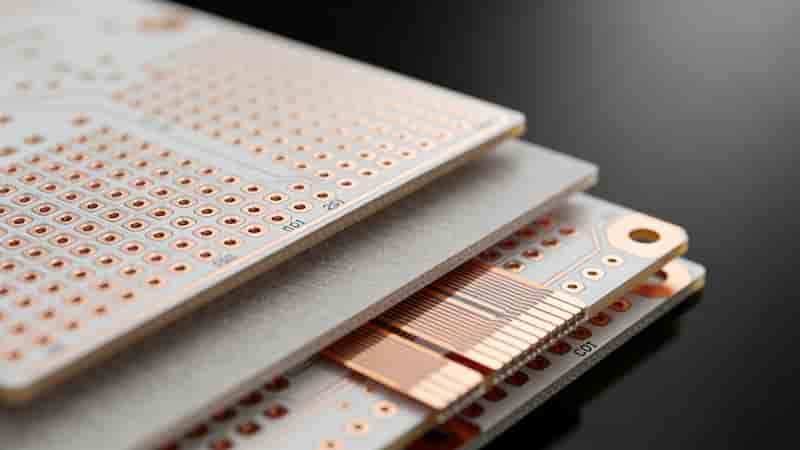
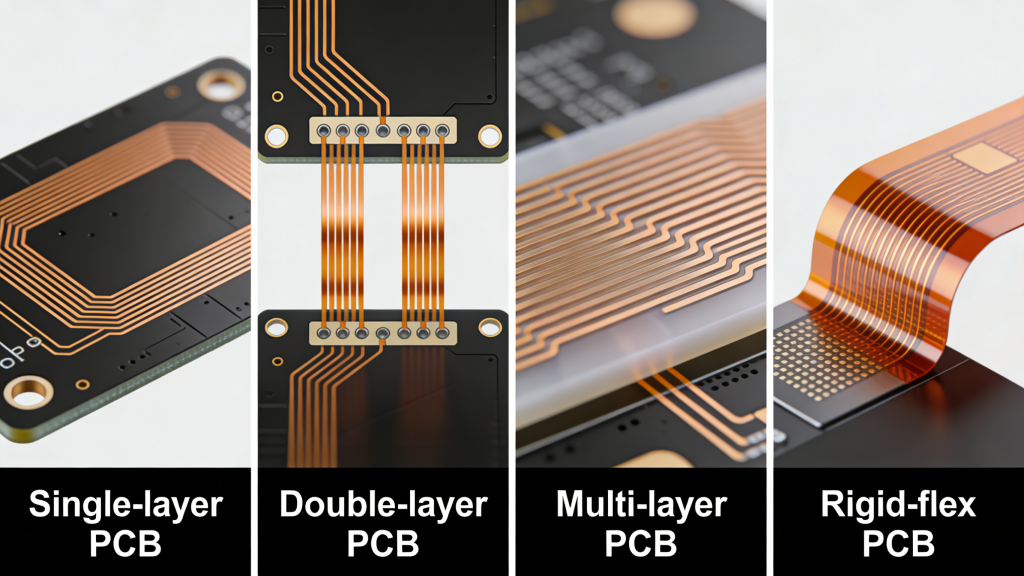
Whether you need single-sided, double-sided, multilayer, or HDI boards, investing in professional PCB prototyping guarantees consistent quality, on-time delivery, and long-term product reliability.
Start Your PCB Prototyping for Reliable Mass Production
Send your Gerber files and BOM for a free DFM check and professional prototype quote. We support fast-turn, high-quality PCB prototyping and seamless mass production.
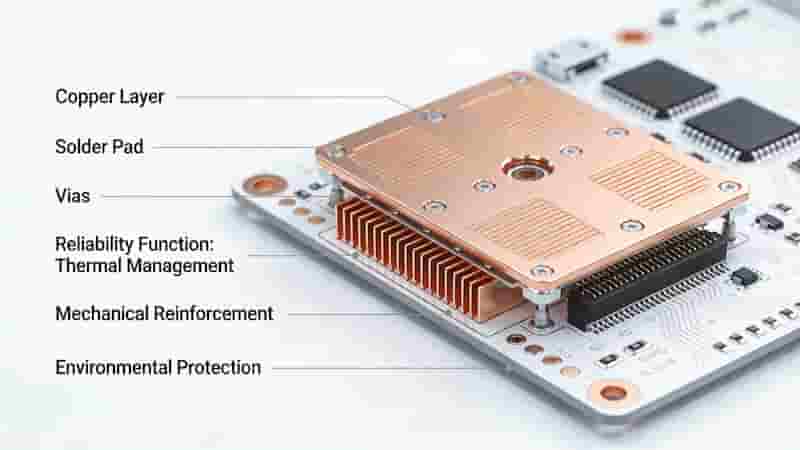
PCB reliability ensures stable performance, long service life, and safety for PCBA and end products. High‑reliability PCBs reduce failures, lower costs, and strengthen global market competitiveness. What Is PCB Reliability? Reliability means a product can consistently perform its intended function under defined conditions and within a specified lifetime. For end products, higher reliability directly means…
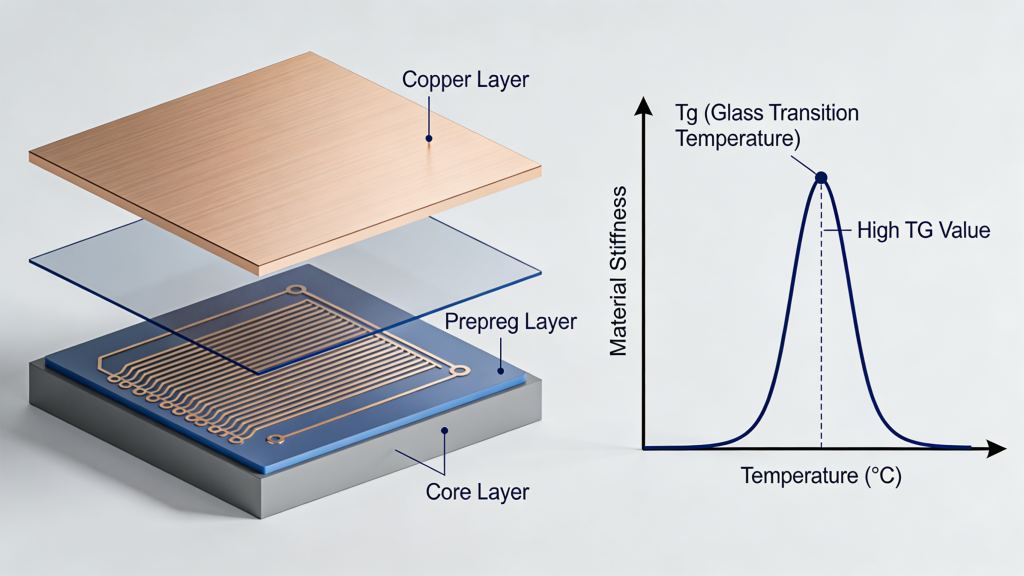
High TG PCB Material: The Ultimate Guide to High-Reliability Circuit Boards High TG PCB material (Tg ≥170°C) delivers superior thermal stability, low Z‑axis CTE, and long‑term reliability for high‑power, high‑temperature, and high‑density electronic systems. This guide covers core advantages, industry applications, material types, fabrication controls, and how we support your custom High TG PCB projects…
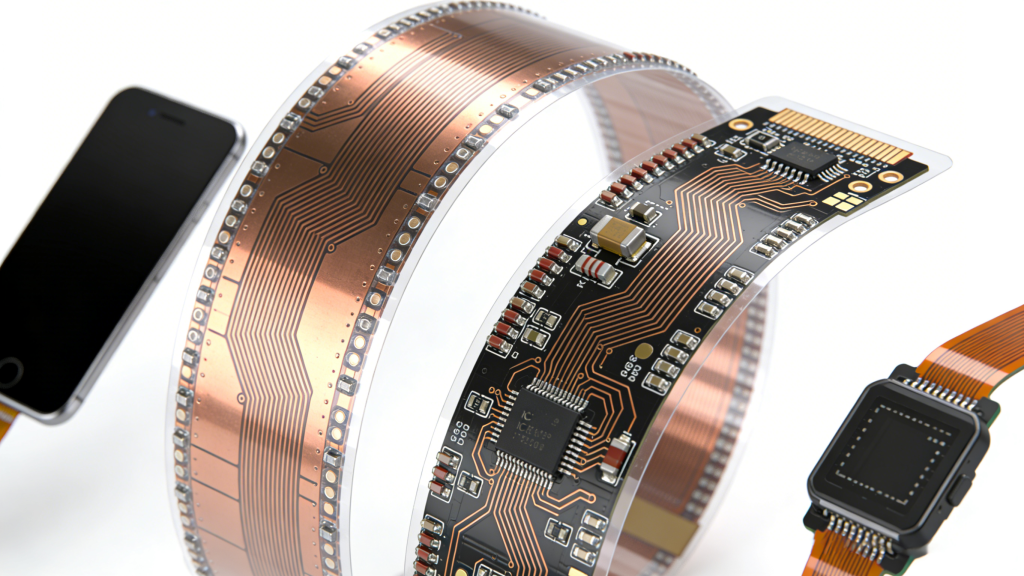
Flexible PCBs (FPCBs) deliver compact, reliable, and high-performance interconnects for consumer electronics, medical, automotive, aerospace, and industrial systems. This guide covers 8 high-value use cases for global buyers, engineers, and OEMs. Consumer Electronics & Wearables Flexible PCBs enable slim, foldable, and ergonomic designs in smartphones, foldable screens, smartwatches, and true wireless earbuds. They replace bulky…
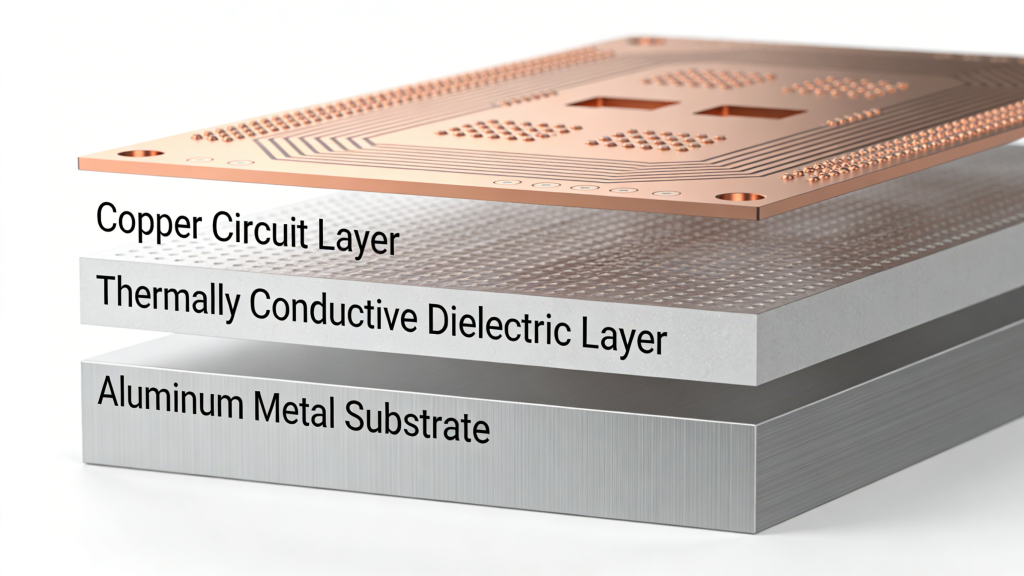
We specialize in high-quality Metal Core PCB (MCPCB) design, prototyping, and mass production. Our advanced manufacturing capabilities deliver superior thermal management solutions for LED lighting, automotive, power electronics, and industrial applications, with strict compliance to international standards. What is Metal Core PCB (MCPCB) Metal Core PCB (MCPCB), also known as Insulated Metal Substrate (IMS) or…
We provide reliable single-sided flexible PCB manufacturing and full assembly for industrial, medical, automotive, and consumer electronics globally. Jump to: Overview | Capabilities | Process | Comparison | FAQ Single-Sided Flexible PCB Overview A single-sided flexible PCB is a lightweight, bendable circuit with conductive traces on one dielectric layer. It is widely used in compact…
Custom PCB solutions built for US industrial buyers, engineers, and procurement teams—ISO & IPC certified, reliable quality, on-time delivery, and full technical support for prototypes to mass production. Our Custom PCB Manufacturing Capabilities We deliver end-to-end custom PCB manufacturing supporting rigid, flex, rigid-flex, HDI, metal-core, and high-frequency boards. Our production lines handle 1–32 layers, precise…
Double-sided flex PCB (also known as 2-layer flexible PCB) is a flexible circuit with two copper conductive layers on polyimide film, connected by plated through holes. We provide full-process manufacturing, customized stackup, strict quality control and fast delivery for global industrial, medical, automotive and high-tech electronics applications from prototype to mass production. What Is a…
This professional guide explains backdrilling of vias, how it removes via stubs to boost signal integrity, reduce EMI, and enable reliable high-frequency performance for advanced PCBs used in 5G, data centers, and high-speed electronics. Introduction With the exponential growth of high-speed applications such as 5G, autonomous vehicles, and IoT devices, PCBs are pushed to handle…
Flying Probe Testing for PCB is a fixtureless electrical test method ideal for low-volume production and prototype circuit boards. Top EMS providers and PCB assembly manufacturers use this advanced technology to ensure high-quality products. Complex PCB circuits often have hidden defects such as short circuits, open circuits, diode faults, and bad solder connections. These issues…
Professional high-precision PCB and SMT stencil manufacturing services for global electronics manufacturers. Custom laser-cut stencils, strict quality control, fast delivery, and full compliance with IPC standards. What Are PCB and SMT Stencils for SMT Assembly PCB stencils (also called SMT stencils) are precision-engineered stainless steel tools used to apply solder paste accurately onto printed circuit…
When starting a new electronics project, selecting a reliable PCB manufacturer is critical to success. This guide helps engineers and procurement teams evaluate quality, certifications, lead time, testing, cost, and communication to pick the best supplier for prototypes and mass production. Why Choosing the Right PCB Manufacturer Matters In the fast‑paced electronics industry, the Printed…
Discover how a PCB BOM streamlines PCBA manufacturing. Our guide offers expert tips and tools for error-free PCB assembly, accurate sourcing, cost control, and on-time production for industrial buyers, engineers, and procurement teams. Imagine heading to the grocery store with a detailed shopping list to ensure you get everything you need, organized and error-free. In…
This guide covers PCB drilling types, methods, workflow, parameters, quality control, DFM tips and inspection standards for engineers, buyers and manufacturers worldwide. Introduction to PCB Drilling PCB drilling is one of the most critical steps in printed circuit board fabrication. It creates precision holes for component mounting, layer interconnection, mechanical fixing and signal transmission. The…
Our advanced flex PCBprototyping delivers flexible, lightweight, and reliable flexible circuits for innovative electronics designs. Enjoy rapid turnaround and full engineering support. What Is Flex PCB Flex PCBs are essential components in modern electronics including mobile devices, desktop printers, and hard drives. Built with a flexible substrate with or without coverlay, flexible PCBs integrate complex…
UK PCB prototype manufacturing delivers rapid, reliable printed circuit board prototypes for engineers, procurement teams, and industrial buyers. We provide fast lead times, competitive pricing, and consistent quality compliant with IPC, ISO 9001, RoHS, and REACH standards to support UK and global electronics development. PCB Prototype Capabilities & Specifications Our UK PCB prototype manufacturing supports…
Step stencils optimize solder paste deposition for mixed-component PCBs, improving yield, reliability, and first-pass success in SMT assembly for electronics, automotive, and medical devices. Imagine a production line where tiny 01005 components sit alongside large edge connectors on a single printed circuit board. The challenge? Applying just the right amount of solder paste to each…
We are a top PCB manufacturer and trusted PCB supplier in China, delivering professional PCB prototype fabrication, high-quality PCB production and full PCB assembly services for global engineers, procurement teams and industrial buyers. About Our PCB Manufacturing in China As a leading PCB manufacturer in China, we focus on high‑reliability PCB solutions for automotive, medical,…
Lightweight, high‑density multilayer flexible PCB for compact, reliable electronics in consumer, automotive, medical, and industrial applications. Up to 16‑layer flex and rigid‑flex PCB manufacturing with tight tolerances and controlled impedance. 10+ years flex PCB experience in China 1,000,000+ flex circuits shipped per year Quick‑turn prototypes & volume production for multilayer flexible PCB Multilayer Flex PCB…
FR-4 is the global industry-standard flame-retardant glass-reinforced epoxy laminate for rigid PCB fabrication. This guide explains definition, composition, properties, grades, selection, and why FR-4 PCB is the top choice for engineers and global buyers. What is FR-4 Material? FR-4 (Flame Retardant Type 4) is a NEMA-defined material grade for flame-resistant epoxy laminates. It is not…
Double-sided PCB is the most widely used and preferred type of PCB in the industry. Its advantage lies in the balanced positioning — it avoids the high complexity of multilayer PCBs while overcoming the functional limitations of single-layer PCBs, making it a cost-effective choice for most electronic projects. Unlike single-layer PCBs that only support component…
Discover how Surface Mount Technology (SMT) revolutionizes PCB assembly through compact designs, improved performance, and cost efficiency. Explore its advantages, drawbacks, and practical applications in this comprehensive guide. Surface Mount Technology (SMT) stands as a cornerstone of modern electronics manufacturing, empowering the production of compact, high-performance electronic devices. By mounting components directly onto the surface…
PCB Design Software Free Download This is a comparison of several PCB design tools that meet the following criteria: 1. PartSim PartSim is a free, user-friendly online circuit simulator featuring a full SPICE simulation engine, web-based schematic capture, a graphical waveform viewer, and direct Digi‑Key integration—all accessible via your web browser. It also includes an…
Gold exhibits excellent corrosion and oxidation resistance. When a PCB is finished with a gold surface treatment, it ensures exceptional long-term durability, while the underlying copper layer remains fully protected and structurally intact. The conductive pathways on a PCB are composed of copper, which enables reliable electrical signal transmission. While copper is an exceptional conductor,…
What Is a Rigid PCB Circuit Board? A Rigid PCB is the most widely used type of printed circuit board (PCB). It’s made with a solid, inflexible base material (like the common FR-4 epoxy board) that keeps its shape permanently—no bending or warping, which protects the circuit connections inside. The easiest example to recognize? A…
Today, almost all electronic devices use PCBs (PrintedChoosing the right PCB materials is critical for your device performance. This PCB Materials Guide covers FR-4, PTFE, metal substrates, and selection principles. Learn how to pick the correct PCB substrate for high-temperature, high-frequency, or heat-dissipating applications – with a brand comparison table and FAQs. High-quality PCB materials give PCBs 3…
A 6 Layer PCB Board comprises three dielectric layers (insulating layers) and three conductive layers. The dielectric layers are usually made of fiberglass (a common material in PCB manufacturing) or other high-performance insulating materials, which provide electrical insulation between layers. Meanwhile, the conductive layers are typically composed of copper foil—with common thicknesses ranging from 0.5oz…
What are pads in PCBs? Learn their key roles in electronics design & manufacturing, explore common pad types, layout considerations, and why they’re critical for reliable PCB performance. What Are PCB Pads? A Complete Guide to Pad Types and PCB Layout Introduction Printed circuit boards (PCBs) are the backbone of modern electronics, connecting components to…
What is a Blank PCB? A Complete Guide to Bare Circuit Boards A blank PCB (also called a bare PCB) is simply the base of an electronic circuit board—it has no electronic parts (like resistors or chips) soldered on it yet. For anyone new to electronics, think of it as a “blank canvas”: you can…
What is SMD? Surface Mount Device Guide Whether you work in the electronic assembly industry or not, you’ve likely heard terms like SMD or SMT. These are quite common—if you have any connection to technology, you’ll often see and hear these words in your day-to-day. Nearly all mass-produced electronic products use surface mount technology (SMT),…
The SMT PCB assembly process is the core of modern electronics manufacturing. This guide walks you through each step, from barcode printing to final inspection, ensuring high reliability and efficiency for your PCBs. Introduction to SMT PCB Assembly Surface-mount technology (SMT) stands as the foundation of modern electronics manufacturing, supporting the production of compact, high-performance devices including…
An aluminum PCB is a printed circuit board with a thin layer of conductive dielectric material—this special structure enables efficient heat dissipation, a key advantage over traditional PCBs. It is widely used in the LED lighting industry, especially for high-power LED fixtures like street lamps, downlights, and automotive headlights, where heat management directly affects product…
PCB Classification Guide: Types of PCBs by Layer, Material & Application PCBs serve as the foundational components of all electronic products. For products with different purposes—whether for industrial equipment, consumer electronics, or automotive systems—the type of PCB you need to select will vary significantly. In the global supply chain, we typically classify PCBs based on…
Learn what prototype PCB assembly is, why it matters, types, process steps, cost factors, and how to choose a reliable partner. We provide fast‑turn, high‑quality prototype PCB assembly for global customers. Prototype PCB Assembly Guide: Process, Types, Cost & Partner Selection A printed circuit board prototype refers to the initial version of a printed circuit…
Soldering is the process of joining metal components using melted solder, which has a lower melting point than base metals. It is the core connection technology in the electronics industry and the most important step in PCB assembly. PCB soldering refers to the process of fixing electronic parts onto a printed circuit board. It is…
How to Convert Circuit Diagram to PCB Layout: A Complete Guide Discover the essential steps to convert circuit diagrams into optimized PCB layouts. We share professional insights on tools, common pitfalls, and advanced techniques to ensure your designs are manufacturable and high-performing. Ideal for engineers seeking reliable PCB prototype and assembly services. In the fast-paced…
Learn how to select a trusted PCB manufacturer in Europe with certifications, technical capabilities, quality control, lead times, and compliance for industrial, automotive, medical, and aerospace projects. Selecting a reliable PCB manufacturer in Europe directly impacts product quality, compliance, supply chain stability, and long-term project success. This guide helps engineers, procurement teams, and project managers…
The Tg value of PCB substrate (glass transition temperature) defines the critical temperature where PCB materials shift from rigid glassy to soft rubbery states. This guide explains Tg value fundamentals, classification, selection rules, reliability impacts, and 2025 best practices for industrial, automotive, telecom, and aerospace designs. What Is Tg Value of PCB Substrate The Tg…
FAQs About PCB Prototyping & Manufacturer Selection
A: It validates circuit designs, detects flaws early, cuts defect rates, optimizes costs and avoids huge losses in full-scale manufacturing.
A: It includes DFM check, signal integrity analysis, thermal profiling, AOI, ICT and full functional testing.
A: Proper prototyping can lower mass production defect rates by 30% to 50% effectively.
A: It optimizes layer stackup and material selection. Many projects reduce material costs by up to 40% via prototype tuning.
A: Reliable suppliers should hold ISO 9001 certification and comply with IPC Class 2 or Class 3 quality standards.
A: The ideal turnaround time for regular PCB prototypes is 3 to 7 working days.
A: Check their support for multilayer and HDI boards, free professional DFM service, technical support and consistent quality.
A: Yes. Prototyping reveals actual precision, plating quality, layer alignment and process stability better than written specifications.
Learn PCB storage and PCBA storage best practices to avoid oxidation, ESD, moisture damage, and ensure reliable performance for industrial electronics. PCB storage and PCBA storage are critical for manufacturers and buyers alike. Proper storage prevents damage, maintains solderability, and avoids costly failures during assembly or operation. After production, boards are stored with strict precautions…
RoHS Compliant PCBs are essential for global market access. This guide covers restricted substances, compliance benefits, lead-free processes, assembly, testing, and how to partner with trusted RoHS compliant PCB manufacturers. Introduction to RoHS Standards RoHS (Restriction of Hazardous Substances) is an EU directive that limits hazardous materials in electrical and electronic products. For printed circuit…
PCB reliability ensures stable performance, long service life, and safety for PCBA and end products. High‑reliability PCBs reduce failures, lower costs, and strengthen global market competitiveness. What Is PCB Reliability? Reliability means a product can consistently perform its intended function under defined conditions and within a specified lifetime. For end products, higher reliability directly means…
Master how to judge PCB quality with IPC‑aligned inspection tips. Check traces, capacitors, grounding, and testing to ensure durable, high‑performance circuit boards. PCBs are the foundation of all electronic devices. Learning how to judge PCB quality directly prevents failures, reduces costs, and ensures long‑term reliability for industrial, automotive, medical, and 5G applications. We share 7…
IPC standards are the global industry benchmarks governing PCB design, fabrication, assembly, inspection, testing, and documentation. This guide covers core IPC standards, compliance classes, technical specifications, and how adherence ensures reliability, consistency, and market acceptance for industrial, automotive, medical, and aerospace electronics. What Are IPC Standards IPC (Association Connecting Electronics Industries) is the global governing…
IPC standards are the global quality benchmarks for PCB manufacturing and PCB assembly. This guide covers core specifications, classification, inspection criteria, compliance, and practical value to help global buyers source reliable, high-quality PCB and PCBA products. What Are IPC Standards? IPC (Association Connecting Electronics Industries) is the global governing body for electronics interconnection standards. IPC…